

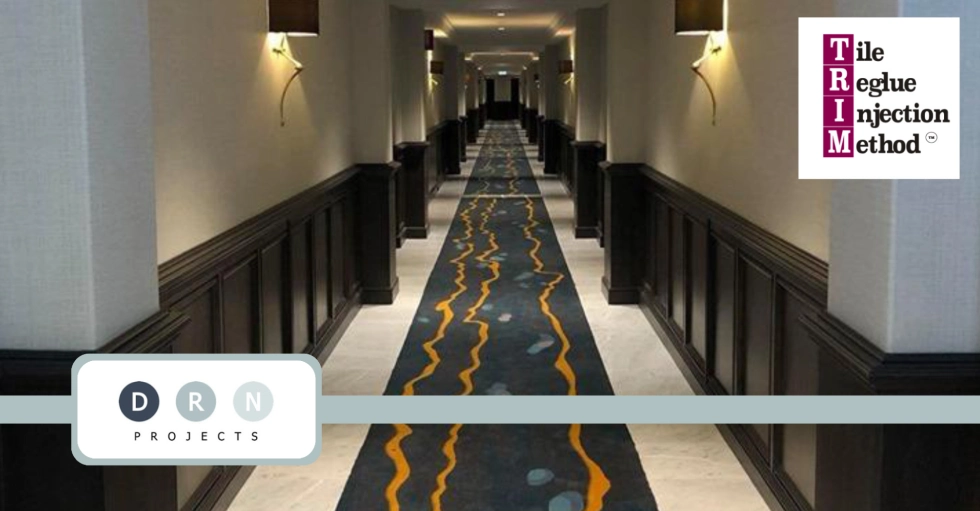
Older buildings, particularly those in regions like the Gold Coast, have unique challenges when it comes to maintaining tiled surfaces. While tiles can last for years, they can also face issues as the building ages. Problems like adhesive breakdown, building movement, or changes in the substrate can lead to cracked or loose tiles that need attention.
In this blog, we’ll dive into the most common tiling issues in aging buildings and show how DRN Projects can help keep your floors safe, stable, and looking great.
Common Tiling Problems in Older Buildings
1. Adhesive Breakdown
As buildings settle and age, the adhesive used to bond tiles can break down over time. This results in tiles becoming loose or dislodged. Moisture exposure, temperature fluctuations, and foot traffic can all contribute to the degradation of the adhesive. When this happens, tiles might start to sound hollow, shift, or even completely come off the floor.
2. Building Movement
Buildings naturally shift and settle over time. This can cause the substrate (the surface under the tile) to move, affecting the bond between the tiles and the floor. As the foundation or structure shifts, it can lead to gaps forming, which causes tiles to lift or crack. In some cases, this movement is more noticeable in older buildings, where materials may have worn down or weakened.
3. Substrate Changes
Changes in the substrate beneath tiles, like moisture damage, expansion or contraction of materials, or shifts in the floor structure, can lead to uneven surfaces. This can cause tiles to crack, pop, or become loose. In older buildings, substrates may also be less stable, which could exacerbate tile issues and lead to more frequent repairs.
How DRN Projects Can Help
If you notice drummy tiles (tiles that sound hollow when tapped), cracks, or loose tiles, DRN Projects is here to help. Our experienced team can identify the cause of the problem and deliver targeted repairs to restore the stability of your floor, without the need for costly and disruptive full-floor replacements.
By addressing these concerns early, you can prevent bigger problems and save yourself both time and money down the line. Plus, our repairs are typically fast and minimally invasive, so you can keep your space in use while we work.
Key Benefits of Acting Now
Ignoring loose or damaged tiles can result in:
- Increased Repair Costs: A small issue like a loose tile can grow into a more expensive fix if left unaddressed, especially when water starts seeping through gaps.
- Safety Risks: Loose or cracked tiles are a trip hazard, especially in high-traffic areas like hallways, kitchens, or bathrooms.
- Water Damage: If water finds its way beneath loose tiles, it can cause damage to the subfloor, leading to mould, rot, or further structural damage.
Taking action now can help avoid these risks and keep your space in good condition for years to come.
Why Choose DRN Projects?
DRN Projects specialises in tiling repairs for older buildings, offering practical solutions that minimise downtime and disruption. Our team uses the Tile Reglue Injection Method to re-secure tiles and restore the structural integrity of your floors. We’re experienced in working with both residential project manager and commercial property owners to ensure that the job gets done right. Here’s an example of TRIM in action – before, during, and after:

If your building is showing signs of tile damage, don’t wait for the problem to worsen. Contact DRN Projects today for professional Tile Repairs that address the root of the issue quickly and effectively.
Call DRN Projects on 1300 291 217 or 07 5646 6344, or speak directly with Dan Newnham on 0414 446 579.
FAQs
1. What causes tiles to come loose in older buildings?
Tiles can become loose due to adhesive breakdown, substrate movement, or moisture exposure, which are all common in older buildings.
2. What is cracked tiles repair?
Cracked tiles repair involves fixing tiles that have visible cracks without the need for full replacement, which is often a more cost-effective solution.
3. How can I tell if my tiles need replacing cracked tiles or if they can be repaired?
If the tiles are cracked but still stable and securely bonded, they may just need repair. If they’re loose or unstable, replacing cracked tiles may be necessary.
4. How does floor tile TRIM help with tile issues in older buildings?
Floor tile TRIM refers to repairing or re-securing tiles that have come loose or shifted. It can help restore stability without the need for a full tile replacement.
5. What should I do if I notice drummy tiles in my building?
If you notice drummy tiles, it’s important to have them inspected as soon as possible. Loose or hollow-sounding tiles indicate a potential issue with the adhesive or substrate.
6. How can DRN Projects help with remedial works in older buildings?
DRN Projects offers targeted remedial works for older buildings, including tile repairs and other solutions designed to prevent further damage or safety risks.
7. Should I try to fix loose tiles myself or call a professional?
While minor repairs can be attempted, it’s best to call a professional like DRN Projects for a long-term, safe solution. DIY repairs may not address the underlying issue properly.
8. Can DRN Projects handle construction project management Gold Coast tasks for tile repairs in commercial properties?
Yes. DRN Projects offers construction project management Gold Coast services, overseeing all aspects of tiling repairs to ensure they are completed efficiently and on time.
9. What’s the benefit of repairing tiles early instead of waiting for them to get worse?
Early repairs can prevent larger, costlier problems like water damage, structural issues, or increased trip hazards.
10. How do I know if I need replacing broken tiles or if the issue is something else?
If the tile is broken beyond repair or causing structural issues, replacing broken tiles might be necessary. However, if the tile is still intact and just loose, it may only need re-securing.